
Thank you for being a reader and supporter of the People’s Data Project! As the new year gets off to a start, we’re presenting some reflections and provocations for data justice in the New Year.
As times change, we need new solutions to big, systemic problems. Our best resources are each other and the knowledge we share.
Increasing uncertainty across the US and in our international shadow has woken people up to the reality of how powerful actors weaponize data to reinforce harmful systems and shape our day-to-day lives. As authoritarian military presence increases in US cities and people feel an increasing pressure on our most essential life systems (via access to food, water, or housing), media narratives are exposing how powerful institutions use data toward their own efficiency, profit, or corporate gain.
Over the last year, through our soft launch and early projects in Houston, some of our best knowledge has come from Black and Indigenous communities who have already faced centuries of harm enabled by unjust data systems. Now, we’re looking forward at the strategic opportunities for communities to get involved in our work and start fighting for data justice from the grassroots.
The People’s Data Project is situated within the field of data justice to draw people’s attention to the injustice and inequality that dominates institutionalized data systems.
It’s a creative endeavor to design tools and concrete frameworks that will guide our collective action against the proliferation of data weapons.
Current State of Affairs
Leading work across the field of data justice provides a range of practical to theoretical approaches to respond to the current state of affairs. Our peers are presenting critical frameworks to assess data production and circulation; a crucial focus on the ways students and youth are affected by data extraction and surveillance; and meaningful ways to fight back against tools of the surveillance state. We also draw from peers internationally who are embedding data justice in labor movements starting from the grassroots. Internationally, informal women workers in India, migrant workers in Indonesia, and fisherpeople in South Africa are leading the way to explore how community-led, decentralized data systems can improve outcomes for workers and agrifood economies.
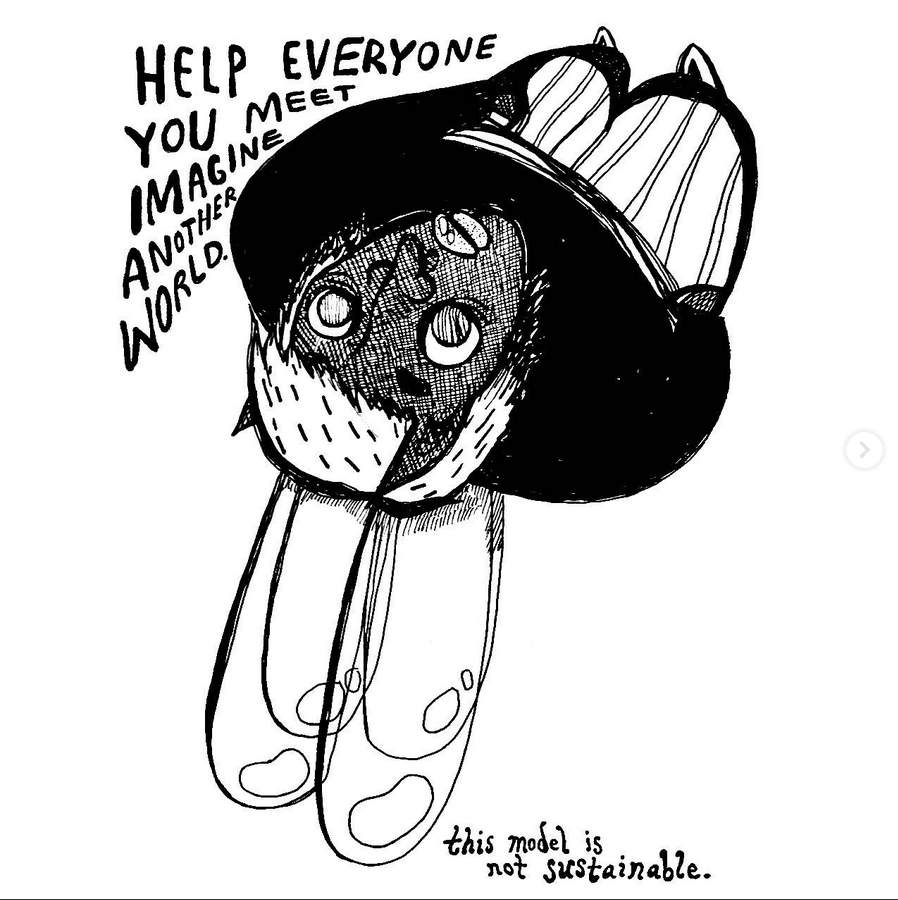
But even as the field continues to blossom, many communities are still left without concrete guidance or steps to build power against the harms of datafication in the issues facing their communities. The People’s Data Project’s frameworks are built alongside principles of Native American knowledge ways that offer the necessary alternative to colonial paradigm of data extraction, which reinforce colonial order. I’ve written previously on why we should support Indigenous Data Sovereignty as we build toward data justice in our own communities.
What’s next is finding practical ways to implement these principles. We need a grassroots movement for data justice starting at the community level. Only then can we build toward a data future where people have autonomy and agency to control access to their data, and the confidence to use data in their communities toward collective good.
How Will We Get There?
The year ahead looks like experimenting, testing, and refining data justice principles and practices that are accessible and easy to understand so that people working in grassroots movements can apply them toward their own goals.
We’ve been working in a few different directions to build out the resources that we’ve heard people need. Part of having an emergent practice means listening for community needs to emerge and then making space to meet the moment through a combination of theoretical applications and responsible experimentation.
The People’s Data Project’s current projects are focused on Houston in order to ensure that data justice tools can truly be embedded in low-tech community contexts. We look forward to creating scalable lessons from our work to spread to other communities.
Data Rights Education
Know-Your-Rights trainings are a common practice across social justice and human rights movements but have not been widely used for popular education about data rights. Broad definitions around data rights are quickly evolving due to the rapid expansion of emerging technologies and new privacy threats, leaving most people unsure of their rights and therefore unable to take action.
Mainstream understanding of data rights often ends at the legal rights we have to protect our health data, student data, or sometimes consumer data codified in existing privacy laws. But data rights go far beyond the doctor’s office or the e-commerce shopping cart.
In our data rights trainings and workshops, we present participants with a living list of data rights principles that capture our inherent rights to information produced by our bodies, our movements, and our relationships. Understanding data rights can help people take steps toward refusing data extraction when it appears in their day-to-day lives.
This year, we plan to produce toolkits and resources that contribute to the growing definitions around data rights. As more people get activated by the current administration’s abuses of data systems, we expect a stronger need to emerge for expanded definitions of data rights and more holistic legal data rights protections.
Tools & Tactics
People who are already working on grassroots efforts within their communities need help to apply principles of data justice to their ongoing advocacy, projects, and campaigns. For many nonprofit organizations, data justice is a concept that they largely support, but are unable to fully implement due to a lack of data policies, data governance practices, or ethical data infrastructure.
Environmental justice organizations in particular need support to manage community data because of the increasing pressure communities face to provide their own evidence for environmental contamination and the resulting public health impacts, especially given recent rollbacks to federal environmental funding.
Because much of environmental data is non-sensitive, this is both a practical and necessary place to start. Community members can begin practicing what it looks like to be a part of collective data governance and see real-world examples of data-sharing agreements and data policies that preserve their environmental data rights.
Coming soon, the Open Environmental Data Project and the People’s Data Project will co-publish a zine with tools and tactics for data rights in the fight for environmental justice. We hope this tool will be taken up by any and all people seeking to use data toward the fight for clean air, water, and soil in their communities.
Community Data
The ultimate goal of the People’s Data Project is for communities to have the confidence to gather, manage, process, and apply local data that addresses their own questions and improves their own livelihoods. While many open source communities have addressed technical aspects of this challenge, creating widely varied and complex tools for self-governance of digital communities and decentralized information, few have tackled the human side of this challenge.
Building capacity for community data governance must start with finding specific, strategic opportunities where communities are already demanding ownership or control over access to their data. This can occur when corporations or governments refuse to release data they’ve collected; when academic researchers and archivists hold data hostage in elite institutions; or when communities have different questions than the ones that are being asked and answered by institutional data collection efforts.
Autonomous data systems that don’t rely on corporate or government systems to function are the future, but we can’t get there until people understand the importance of owning and using our own data! We hope to be able to share soon about lessons from our two ongoing projects to build community databases to support community environmental and immigrant justice work, with hopefully more on the way.
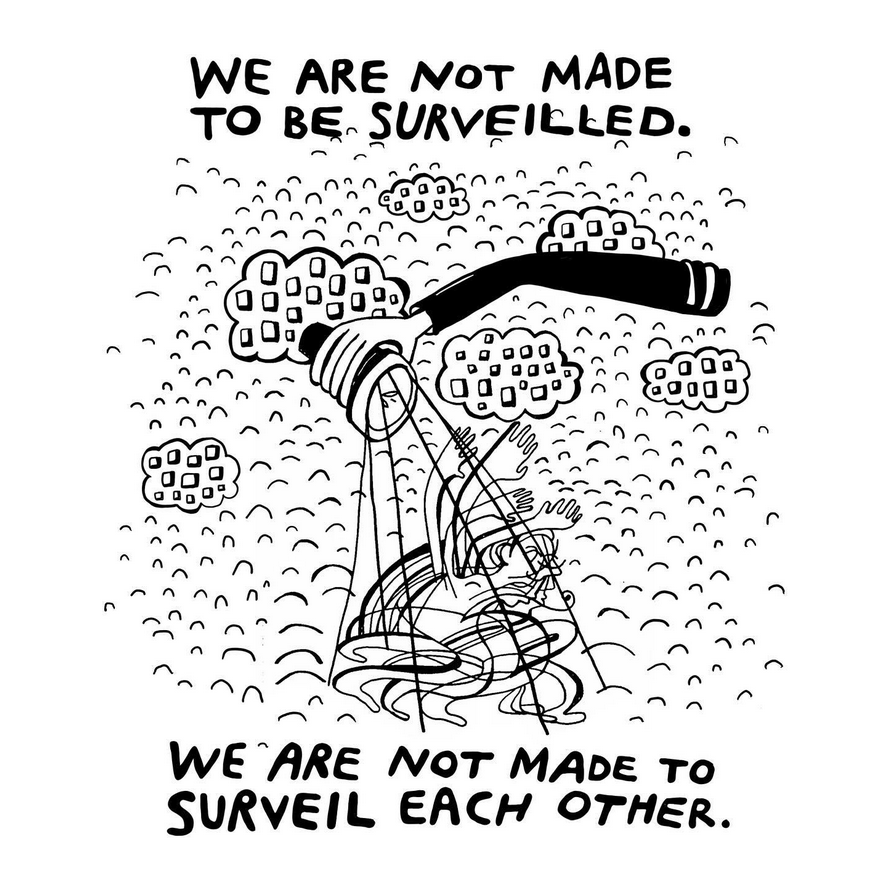
Become a Part of The Movement
We’re looking for people interested in becoming data justice educators to begin applying these concepts in their own communities. If you’re someone who often brings a systems or technical knowledge to your organizing meetings, if you’re someone who has worked in data or technology-specific jobs but wants to be a part of your grassroots community, consider reaching out via our contact form.
We’re also looking for grassroots funding support for the People’s Data Project’s ongoing resource development and community data projects. Straddling the worlds of technology for good and grassroots organizing, sources of values-aligned funding are few and far between. You can support our work by downloading zines by suggested donation from our library, or directly donating to support the Project.
 The People's Data Project
Leave a comment